Platform
Ten worlds
Mercury to Pluto, each on the data its missions returned. You get the same tools on every world: elevation profiles, named-feature search, geology overlays and a core cutaway.
Mercury to Pluto, on mission data
Each viewer uses the datasets its missions returned. Open any of them: Mercury, Venus, Earth, Moon, Mars, Jupiter, Saturn, Uranus, Neptune and Pluto.
- 10
- worlds, each on its own mission data
- 24
- moons with clickable surface features
- 2,087
- named features on the Moon alone
- 8–300 km
- flight altitude over Mars
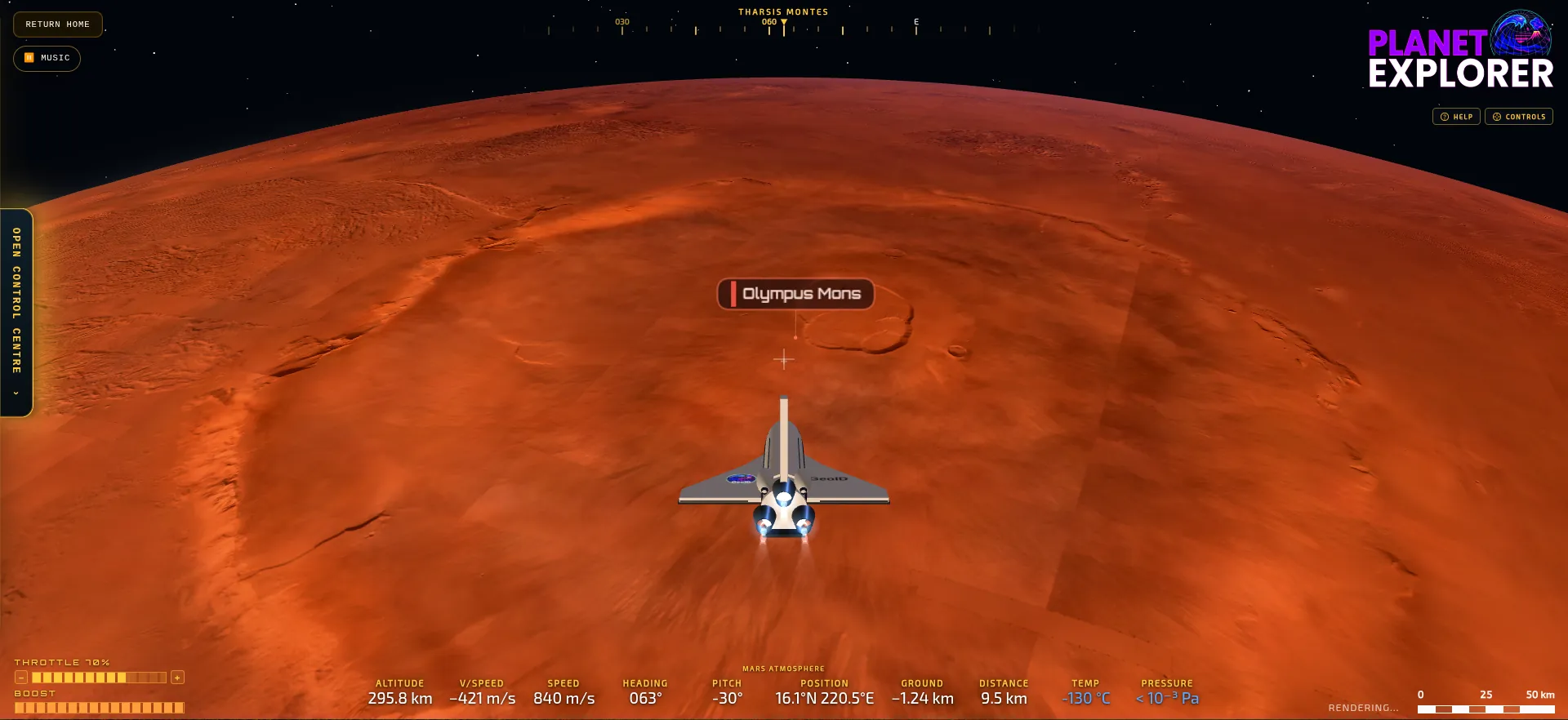
- Mars is a flight simulator as well as a map. Pick a launch site anywhere. Fly MOLA relief with the CTX mosaic beneath you, from an 8 km low pass to 300 km orbit.
- Moon systems in orbit. Each planet's moons open in their own orbital view, with clickable features.
- Palaeo sea level on the rocky worlds. Raise or lower a simulated ocean in real time. Trace the coastlines that scientists still argue over.
Every viewer, and what it is built from
Feature counts are the IAU-recognised names mapped in each viewer. Each world has its own page: Mercury · Venus · Moon · Mars · Jupiter · Saturn · Uranus · Neptune · Pluto · every tool.
 Mercury
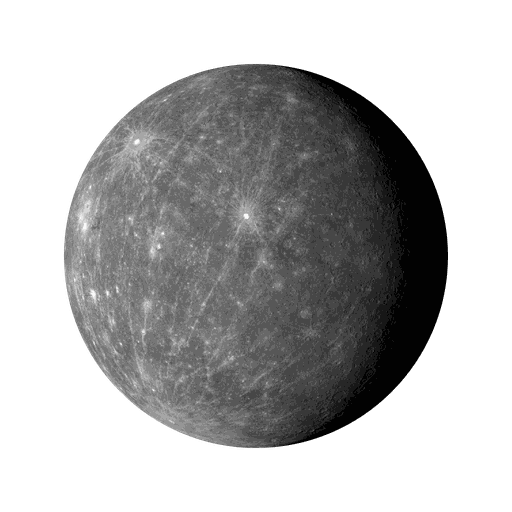
MESSENGER global mosaic
Named craters, basins and the long lobate scarps left as the planet cooled and shrank.
 Venus
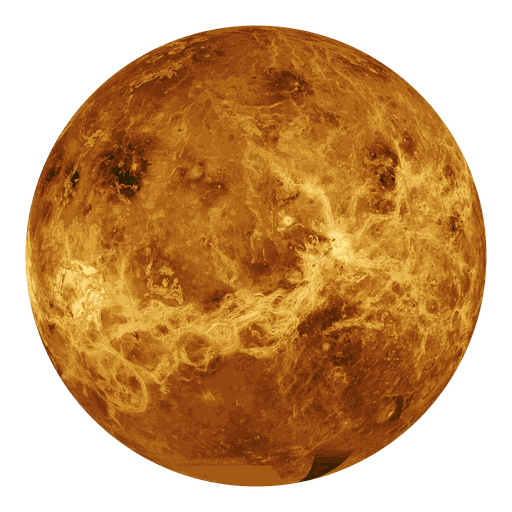
Magellan radar
Volcanic plains, coronae and the deformed highlands under the cloud deck.
 Earth
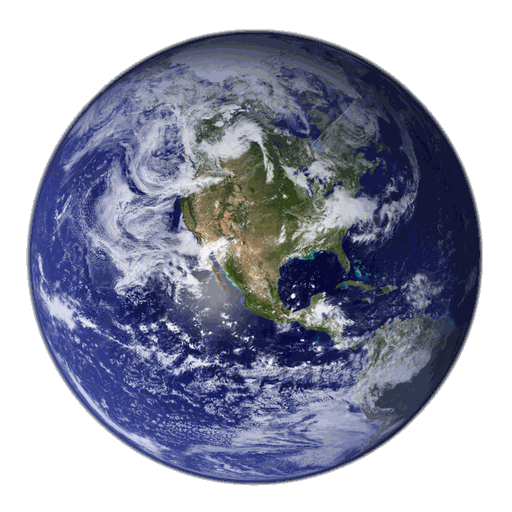
GeoHUB itself
The hazard GIS: the record, the geology, the live feeds and the models.
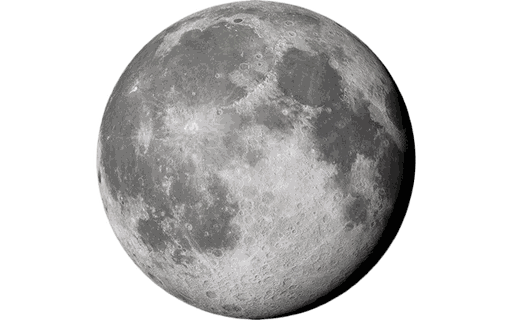 Moon
LROC mosaic over LOLA
2,087 IAU features, the USGS Unified Geologic Map with 12,000+ selectable units, and a core cutaway from Apollo seismology.
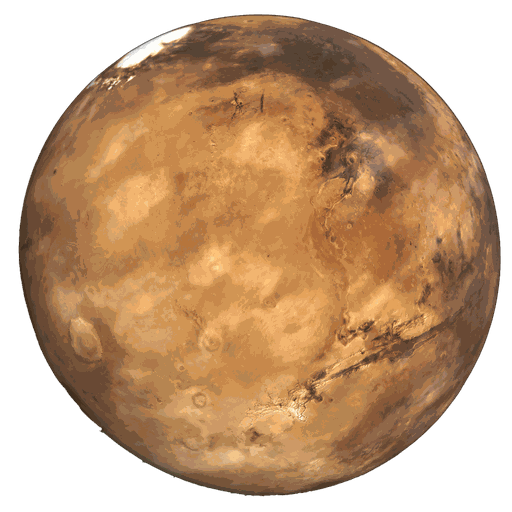 Mars
MOLA relief · CTX mosaic
Sub-metre imagery streamed tile by tile, mapped geology, a raster calculator that floods the northern lowlands, and the flight simulator.
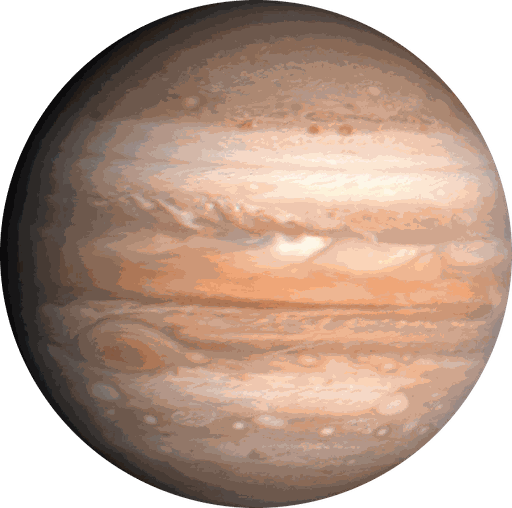 Jupiter
Cloud bands · moon system
Io 254, Europa 130, Ganymede 203, Callisto 155 and Amalthea 4 mapped surface features.
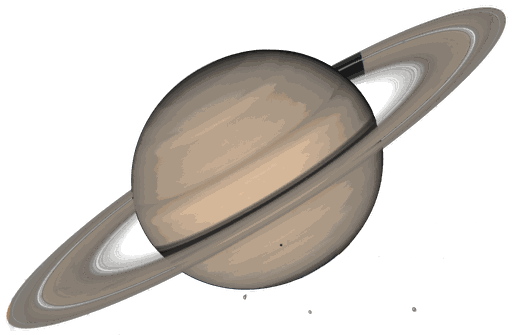 Saturn
Rings · nine moons
Titan 310, Rhea 237, Dione 171, Enceladus 87, Iapetus 71, Tethys 60, Mimas 45, Phoebe 25, Hyperion 5.
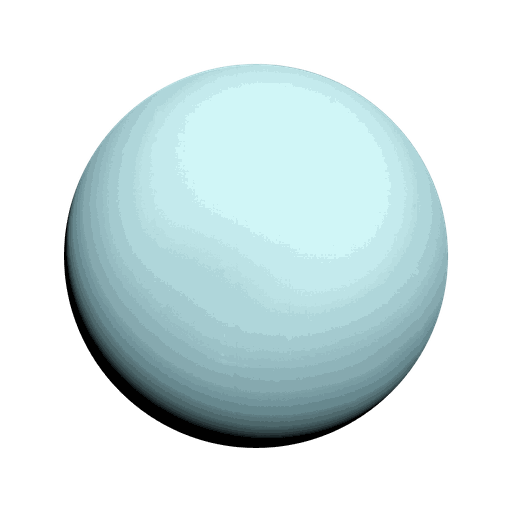 Uranus
Tilted system · six moons
Ariel 26, Miranda 18, Titania 18, Umbriel 13, Oberon 10, Puck 3 mapped features.
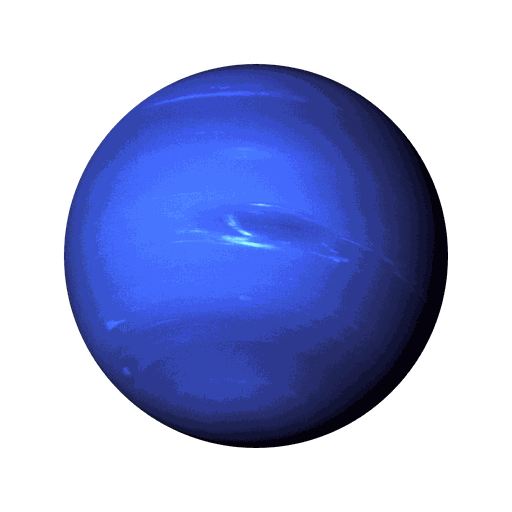 Neptune
Storms · Triton
Triton's 64 mapped features in the orbital context of the outermost giant.
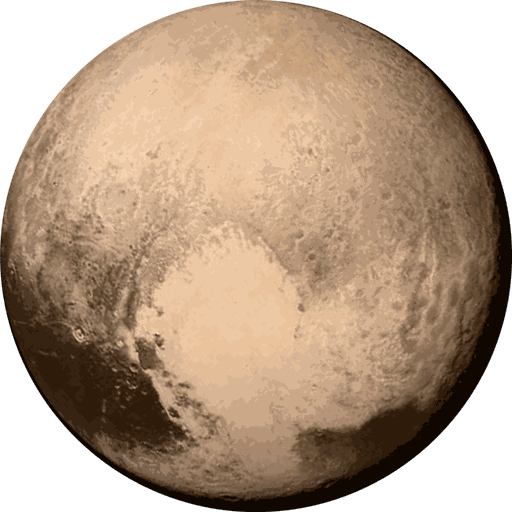 Pluto
New Horizons · Charon
The nitrogen-ice heart, the mountains, and the Pluto–Charon binary in one view.
Show the mission data behind each world
| World | Surface imagery | Elevation | Maps and names |
|---|---|---|---|
| Mercury | MESSENGER MDIS: MD3 colour at 665 m, monochrome at 250 m, enhanced colour | MESSENGER USGS global DEM, 665 m v2 | IAU Gazetteer |
| Venus | Magellan C3-MDIR colourised radar mosaic, 4,641 m; radar backscatter; emissivity | Magellan global topography, 4,641 m | IAU Gazetteer |
| Moon | LROC colour mosaic | LOLA elevation (NASA PGDA), −9,150 to +10,786 m | USGS Unified Geologic Map of the Moon (12,247 units); IAU names |
| Mars | Viking colour at 925 m, with the Murray Lab CTX mosaic (about 6 m/px) streamed from astro.arcgis.com | MOLA, −8,194 to +21,069 m | USGS Geologic Map of Mars (SIM 3292, 1,311 units); IAU names |
| Jupiter | Io, Europa, Ganymede, Callisto and Amalthea as mission mosaics | Moon surfaces on a flat datum | IAU names for the moons |
| Saturn | Rings from a Hubble image; nine moons including Titan and Enceladus | Flat datum | IAU names for the moons |
| Uranus | Voyager 2; Miranda, Ariel, Titania, Umbriel, Oberon and Puck | Flat datum | IAU names |
| Neptune | Voyager 2; Triton | Flat datum | IAU names |
| Pluto | New Horizons global mosaic, 300 m (USGS) | New Horizons DEM, −4,101 to +6,491 m | IAU names |
| Earth Explorer | Mount Etna in close-up | INGV seismicity 2011–2023, published tomography and geodetic inversions for Etna’s plumbing | National fault databases |
Photo credits
- Jupiter Southern Hemisphere - Juno (34724022251) · NASA/JPL-Caltech/MSSS/SwRI/Gerald Eichstädt/Justin Cowart · Public domain
- Photographs resized and cropped for this page; licences as listed on each Wikimedia Commons file page.